Chhath Puja is a sacred Hindu festival dedicated to Surya Dev (the Sun God) and Chhathi Maiya. During the festival, devotees offer fruits, thekua, flowers, sugarcane, and other puja items as part of the rituals. After the पूजा concludes, proper waste disposal becomes important to keep the surroundings clean and protect the environment.
Chhath Puja waste disposal involves managing leftover flowers, fruits, prasad, bamboo baskets, plastic packaging, and other puja materials responsibly. By reusing suitable items, composting organic waste, and separating recyclable materials, devotees can respect religious traditions while helping maintain clean rivers, ponds, and ghats.
Chhath Puja waste disposal refers to the proper collection, separation, reuse, recycling, and disposal of materials left after the festival. These materials may include flowers, leaves, fruits, prasad, bamboo baskets, clay diyas, and packaging waste.
The aim is to prevent littering, reduce water pollution, and maintain cleanliness at religious sites. Instead of throwing leftover puja materials into rivers or leaving them at ghats, devotees can use designated collection points and appropriate waste-management facilities.
Different types of puja waste require different disposal methods. Separating the materials makes the process easier and more environmentally responsible.
Collect flowers, leaves, and other suitable organic offerings separately. Remove plastic wrappers, synthetic threads, decorative wires, and other non-organic materials before composting.
Flowers and leaves can be added to a suitable composting system or placed in designated wet-waste collection bins. Follow local waste-management guidelines if a separate flower collection facility is available.
Fruits such as bananas, coconuts, and apples can be consumed or shared with family members and others if they remain fresh and safe to eat.
Thekua and other edible prasad should be stored hygienically. Do not distribute food that has spoiled or become contaminated. Dispose of inedible food according to local waste-management guidelines.
Bamboo baskets, soop, and daura used during Chhath Puja can often be reused in future celebrations.
Clean and dry these items thoroughly before storing them in a dry place. If they are damaged beyond reuse, follow local disposal guidelines.
Unbroken clay diyas may be cleaned and reused. Separate broken diyas and other unusable materials for appropriate disposal.
Avoid pouring leftover oil or ghee into drains, rivers, or ponds. Handle these materials according to local disposal instructions.
Plastic bags, wrappers, cardboard, and other packaging should be separated from organic offerings.
Keep accepted recyclable materials clean and dry wherever possible. Place them in designated dry-waste bins or give them to an authorized recycling collection service.
Responsible disposal helps maintain cleanliness at religious sites and reduces environmental pollution.
Following these precautions can help keep festival locations clean and protect nearby water bodies.
The correct disposal location depends on the type of material and the facilities available in your area.
If a Chhath ghat has a dedicated collection point for puja offerings, use it. If no such facility is available, follow the local municipality’s waste-separation and collection guidelines.
Avoid throwing leftover puja materials directly into rivers, ponds, or other water bodies.
A few simple practices can make festival waste management easier.
These small steps can help reduce waste and maintain cleaner festival spaces while respecting religious traditions.
Proper waste management after Chhath Puja offers several benefits:
Collect flowers and leaves separately, remove plastic and other non-organic materials, and compost them where suitable facilities are available. Alternatively, use the designated wet-waste collection service.
Fresh fruits and safe-to-eat prasad can be consumed or shared with others. Avoid distributing food that has spoiled or become contaminated.
Yes. Bamboo baskets, soop, and daura can generally be cleaned, dried, and stored for future celebrations if they remain in good condition.
Use a dedicated puja-waste collection point at the ghat if available. Otherwise, follow local municipal instructions for wet waste, dry waste, recycling, and compostable materials.
Proper disposal helps maintain clean ghats, reduces the risk of water pollution, and supports responsible waste management while respecting religious traditions.
Proper waste disposal after Chhath Puja helps maintain cleanliness and protect the environment. Devotees should reuse puja items, compost flowers, and separate recyclable and non-recyclable waste. Avoiding waste disposal in rivers and ponds helps reduce water pollution and protect aquatic life. Together, we can celebrate Chhath Puja while keeping our ghats clean and our environment healthy.
For Chhath Puja waste disposal guidance, contact OSR Charitable Trust at +91 9958844345 or info@osrtrust.com. Visit OSR Trust for more information.
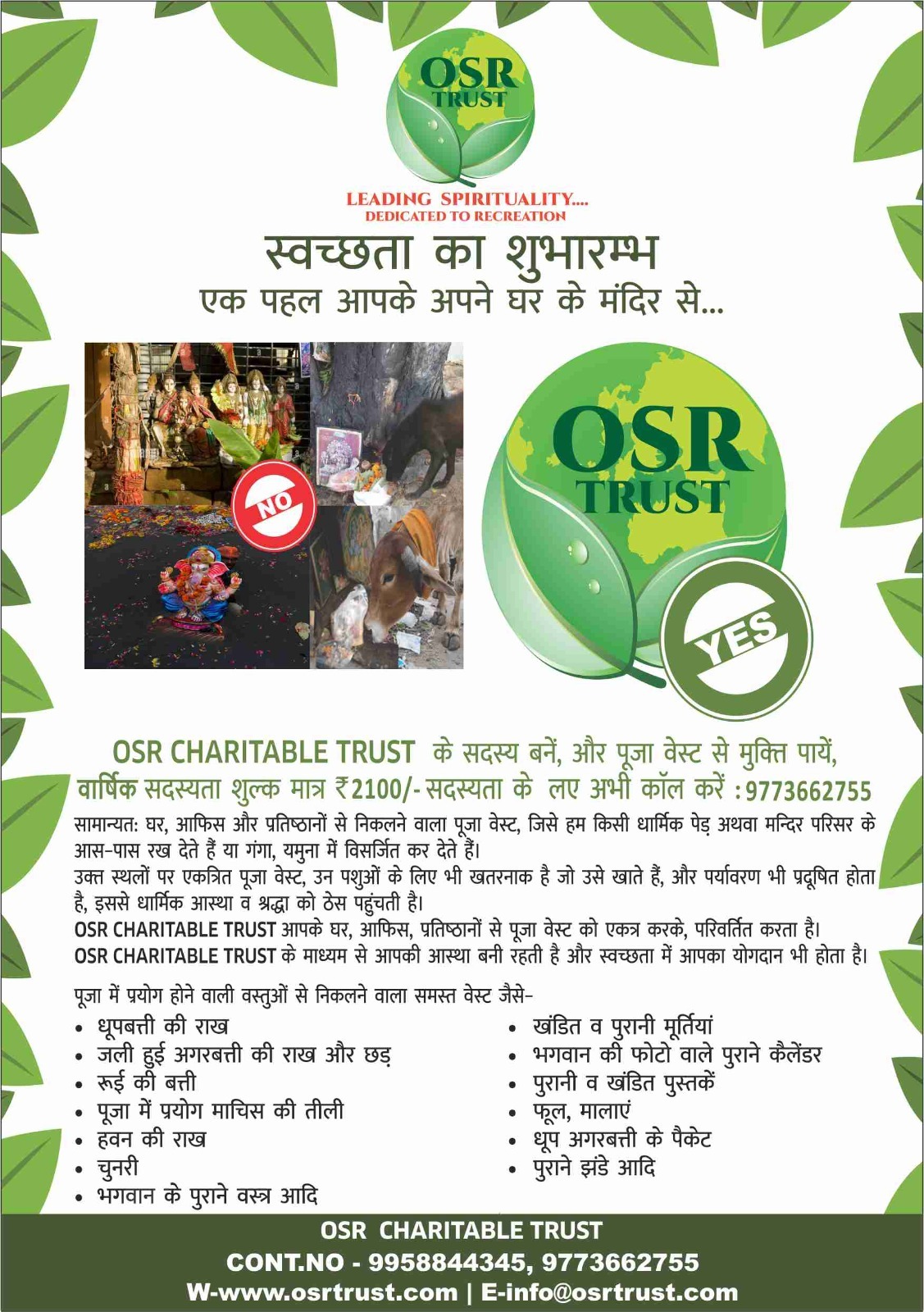
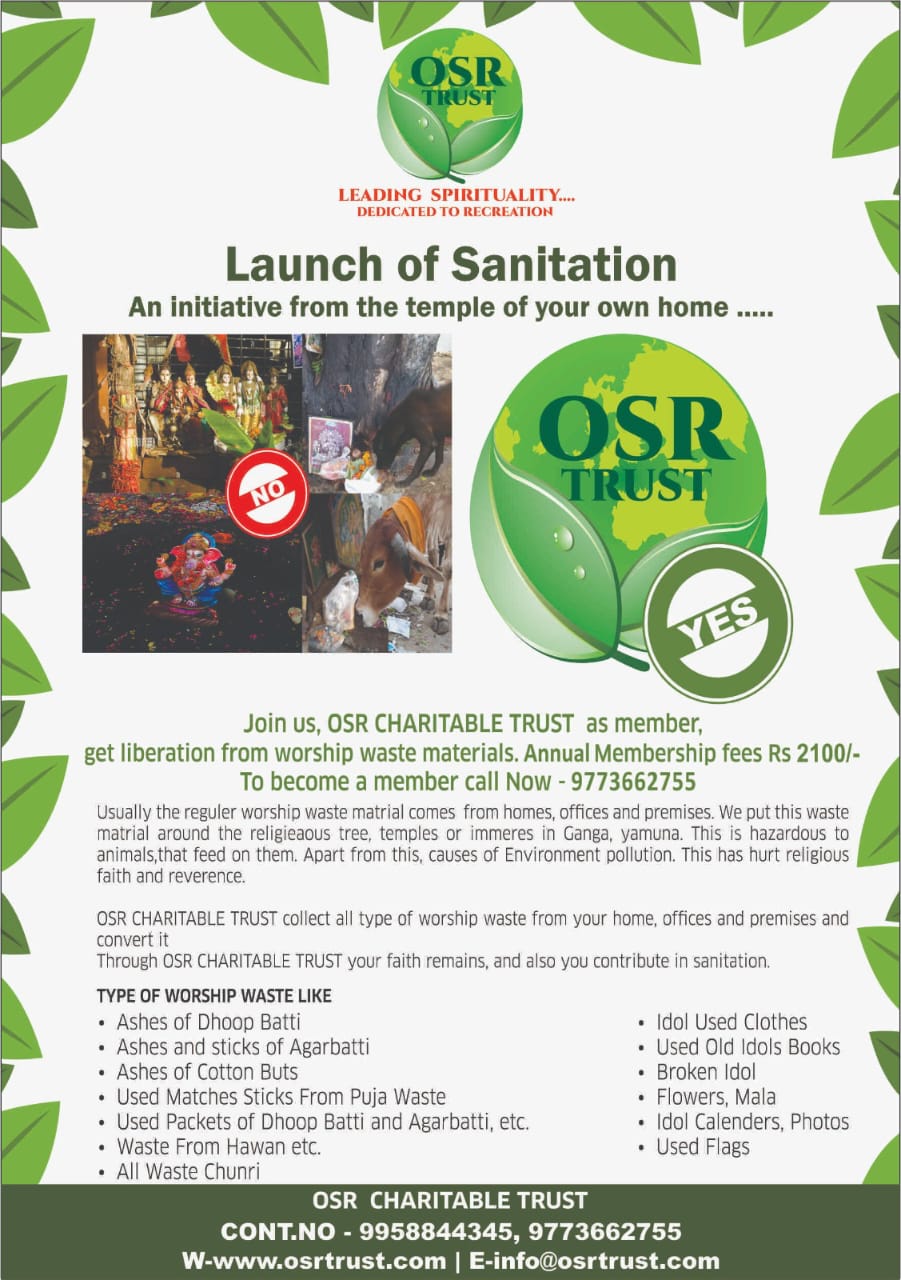
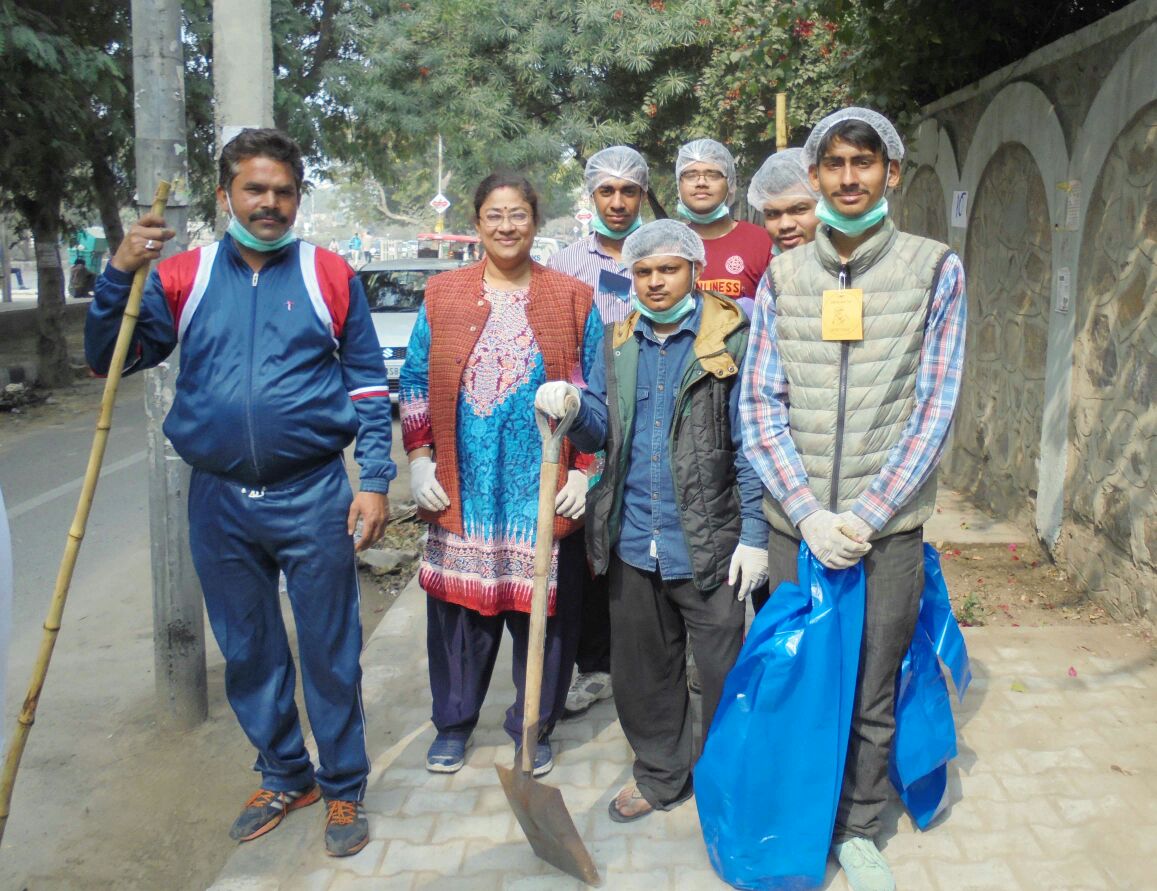
Annual Membership @ Rs 2100 Only : Pooja Waste Doorstep Pickup and disposal in haridwar 12 times a year. Opportunity to take part in cleanliness drives, cultural and awareness events.
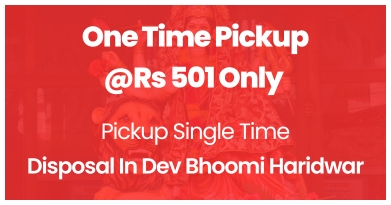
One Time Pickup Worship Waste Pickup @ Rs 501 Only : One Time Pooja Waste Doorstep Pickup and disposal in haridwar.