

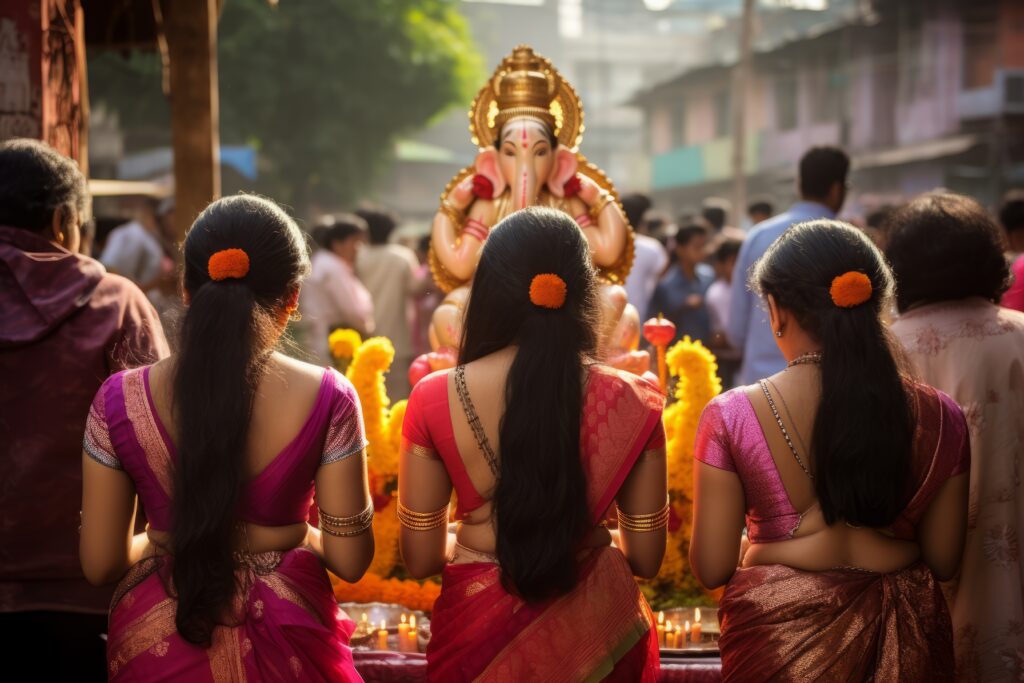
Introduction: What Happens After Diwali Isn’t Just “Clean-Up Day”
Diwali lights fade, sweets disappear (some mysteriously faster than others), and suddenly you’re staring at your beautiful Ganesh and Lakshmi idols wondering: “Now what?”
If this question has ever caused confusion, you’re not alone. Every year, millions of households in India face the same situation after Lakshmi Pooja and Ganesh Chaturthi-style home celebrations during Diwali.
The key issue is simple but important: how to dispose Ganesh Lakshmi idol after Diwali in a respectful, traditional, and eco-friendly way.
And no, throwing it in the dustbin is not the answer (your local municipal worker will not appreciate that “divine surprise”).
This guide explains everything in a practical, SEO-friendly, and real-world way—without confusion, myths, or environmental guilt trips.
Why Proper Idol Disposal Matters More Than You Think
Let’s be honest. Most people don’t think much about idol disposal. The festival ends, the decorations come down, and life moves on.
But here’s the reality:
- Traditional idols are often made of Plaster of Paris (POP) and chemical paints
- These materials do not dissolve easily in water
- They can harm rivers, lakes, and groundwater
- Fish and aquatic life suffer due to toxic residue
According to environmental recommendations by organizations like the Central Pollution Control Board (CPCB) and various Indian municipal bodies, eco-friendly immersion practices are strongly encouraged to reduce water pollution.
So yes, disposal is not just a ritual—it’s a responsibility.
Think of it this way:
You invited Ganesh and Lakshmi home like guests. Would you dump guests in a landfill after dinner? Probably not.
Traditional Practice: What Is Visarjan?
The traditional method of idol disposal is “Visarjan”, meaning immersion of the idol in water.
In many households, Ganesh and Lakshmi idols are immersed:
- In rivers
- In lakes
- In artificial water tanks arranged by municipalities
- Or at home in a bucket setup
This ritual symbolizes returning the divine energy back to nature, completing the spiritual cycle.
But modern times require a smarter version of tradition.
Why? Because rivers today are not the same clean water bodies they used to be decades ago. Urban pollution has changed the equation.
So the goal is simple: keep the devotion, improve the method.
Eco-Friendly Ways to Dispose Ganesh Lakshmi Idol After Diwali
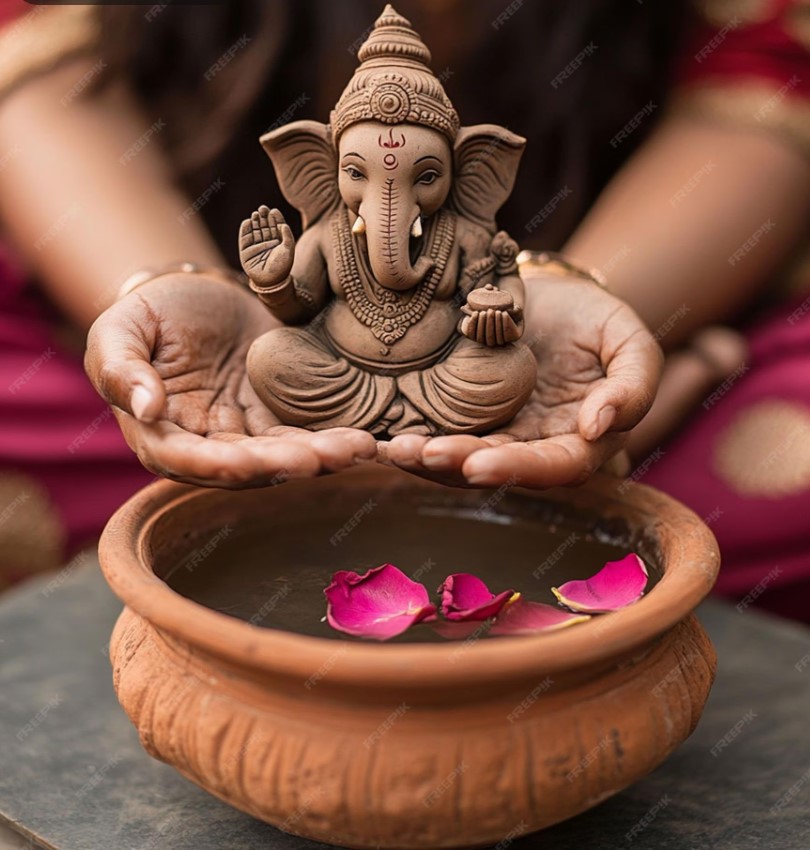
Let’s move from theory to practical solutions that actually work in 2026.
1. Home Immersion (Bucket Visarjan Method)
This is one of the safest and most recommended methods today.
Steps:
- Fill a large bucket or tub with clean water
- Place the idol inside gently
- Allow it to dissolve naturally
- Collect the remaining clay residue
- Dispose it in soil or your garden
Why it works:
- No river pollution
- Fully private and respectful
- Easy cleanup
Bonus: Kids often treat it like a “science experiment,” so you might accidentally create future environmentalists.
2. Municipal Artificial Tanks
Many cities now set up temporary immersion ponds during Diwali.
These tanks are designed specifically to handle idol waste safely.
Benefits:
- Controlled environment
- Water treatment after immersion
- Reduces river pollution significantly
If you live in an urban area like Ghaziabad, check local municipal announcements for designated immersion points.
3. Clay Reuse Method (Smart and Sustainable)
If your idol is made of natural clay (which is increasingly common now), you can:
- Break the idol after immersion
- Mix it with garden soil
- Use it as fertilizer base (non-painted parts only)
It’s nature recycling itself. No drama, just logic.
4. Symbolic Immersion (Dry Disposal with Respect)
Not everyone realizes this option exists.
Some families perform a symbolic visarjan, where:
- The idol is kept in a clean place for a few days
- A prayer is performed
- Then it is respectfully wrapped in cloth and buried in soil
This method is especially used when idols are small or eco-friendly clay versions.
5. Eco-Friendly Idols That Disappear Naturally
Modern artisans now create idols using:
- Natural clay
- Paper pulp
- Seed-embedded eco clay
These idols dissolve completely or grow into plants after immersion.
Yes, your Ganesh idol might literally turn into a basil plant someday. That’s not mythology—it’s innovation.
Special Case: Lakshmi Ganesh Idol After Diwali Pooja
Unlike Ganesh Chaturthi idols, Lakshmi Ganesh idols used in Diwali are often smaller and meant for short-term worship.
So disposal should focus on:
- Quick but respectful immersion
- Eco-friendly handling
- Avoiding chemical-heavy processes
Important point: Lakshmi Puja idols are not meant for long-term storage. Keeping them for years “because emotions” often leads to clutter and disrespectful decay.
If you respect the deity, respect the cycle too.
Step-by-Step Guide for Safe Disposal
Here’s a simple practical checklist:
Step 1: Check Material
- Clay = eco-friendly
- POP = needs careful handling
Step 2: Choose Method
- Bucket immersion
- Municipal tank
- Symbolic burial
Step 3: Remove Decorations
- Flowers
- Plastic ornaments
- Metal items
Step 4: Perform Final Prayer
A short thank-you prayer is enough. No need for Oscar-level performances.
Step 5: Dispose Respectfully
Follow chosen method without rushing.
Common Mistakes People Still Make (And Should Stop)
Let’s clear some myths:
❌ Throwing idols in dustbins
This is not a “shortcut.” It’s disrespectful and harmful.
❌ Immersing plastic-heavy decorations in rivers
Rivers are not recycling bins.
❌ Keeping idols indefinitely
Dust is not devotion.
❌ Using chemical paints
They look bright but harm ecosystems severely.
What Government Guidelines Say
Indian environmental authorities, including the Central Pollution Control Board (CPCB) and various state pollution boards, encourage:
- Use of eco-friendly materials
- Controlled immersion zones
- Avoidance of POP idols in natural water bodies
- Awareness campaigns for sustainable festivals
The Swachh Bharat Mission also promotes responsible festival waste management to keep public spaces clean and reduce pollution.
In simple words:
Celebrate fully, pollute minimally.
Funny but True Reality Check
Every Diwali, we clean our homes like we’re preparing for NASA inspection.
But somehow:
- We still send idols into rivers like they’re returning from a cruise
- We act surprised when water pollution increases
- And we blame “modern times” instead of habits
Maybe it’s time we upgrade rituals the same way we upgraded phones.
From “tradition only” to “tradition + responsibility.”
FAQs: Quick Answers People Search
Yes, but only if it’s stored respectfully and not damaged or dusty.
Traditionally, new idols are preferred, especially for Lakshmi Puja.
Yes, it is one of the most eco-friendly methods recommended today.
Avoid rivers, plastic-heavy immersion, and chemical disposal methods.
Conclusion: Devotion + Responsibility = True Celebration
Knowing how to dispose Ganesh Lakshmi idol after Diwali is not just about tradition—it’s about balancing faith with environmental responsibility.
You don’t lose devotion by choosing eco-friendly methods. In fact, you deepen it.
Because respecting nature is also a form of worship.
So next time Diwali ends, remember:
The lights may fade, but responsibility should not.
Celebrate big. Dispose wisely. And let nature thank you in its own quiet way.